Reference
Ingredient glossary
Every ingredient in the product line — what it is, how it is traditionally used, and what the research does and does not show. Browse by body system, action, or exposure pathway.
Select a body system to filter ingredients
59 of 59 ingredients
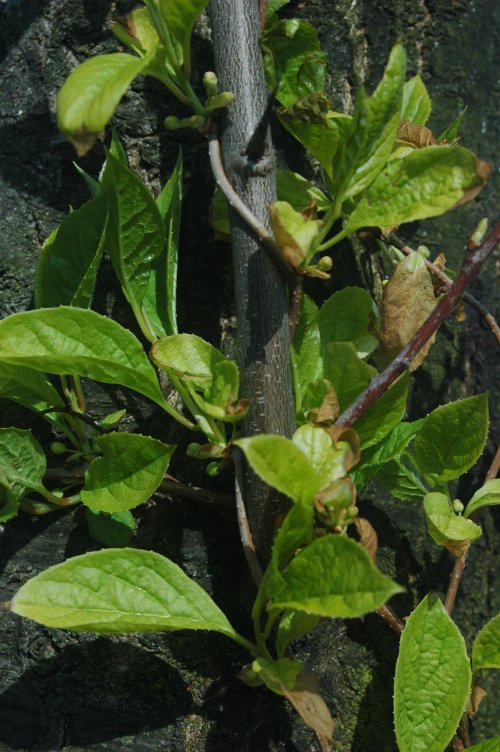
Schisandra
Schisandra chinensis
Known in Traditional Chinese Medicine as wu wei zi, the "five-flavor berry," named for the five traditional taste categories it is said to combine — a classical naming convention, not a measure of biological activity. Soviet scientists researched it alongside Eleuthero from the 1950s onward, making it one of the most-studied adaptogens, and a small randomized trial has reported modest gains in muscle strength. Animal studies consistently show liver-protective and antioxidant effects, but this has not been confirmed in human trials, which remain few and small. Because Schisandra can raise blood levels of some prescription medications, check with your provider before use.
Boron
Boron (element)
A trace mineral involved in bone health and steroid hormone metabolism. Evidence that it raises testosterone in men is thin: one small, unblinded pilot study of 8 men found lower SHBG and higher free testosterone after a week of boron supplementation, but the only placebo-controlled trial in men — 19 resistance-trained men over 7 weeks — found no effect on testosterone, lean mass, or strength beyond what training alone produced in both groups. The studies most often cited for boron's hormone effects were done in postmenopausal women correcting a boron-deficient diet, a different population and a different question.
Zinc Bisglycinate
Zinc bis-glycinate chelate
A well-absorbed, gut-tolerated form of zinc — glycinate chelation is absorbed more readily than zinc oxide or sulfate. Zinc is an essential trace mineral and a required cofactor for hundreds of enzymes involved in immune function, wound healing, taste, and hormone signalling.

Neem
Azadirachta indica
Called the "village pharmacy" in India, neem has more than 140 compounds isolated from its leaves, bark, and seeds. Laboratory research shows antibacterial, antifungal, and antiviral activity. Small, short-term human trials found neem mouth rinses reduced dental plaque and gum inflammation about as well as chlorhexidine, the standard antiseptic rinse. "Blood-purifying" reflects neem's traditional Ayurvedic use, not a proven clinical effect.

Omega-3 (EPA/DHA)
Eicosapentaenoic acid / Docosahexaenoic acid
A well-documented nutrient gap in military and veteran populations. The military mean Omega-3 Index is 3.18% vs. a target of 8%+. Low DHA is independently associated with a 62% greater suicide risk in men.

Devil's Claw
Harpagophytum procumbens
A plant native to the Kalahari region of southern Africa, whose secondary tuberous roots contain harpagoside, an iridoid glycoside with anti-inflammatory activity. Devil's claw is one of the better-studied herbs for joint and lower back pain — several small human trials found it eased pain more than placebo. A few small head-to-head studies against anti-inflammatory drugs found no clear difference between them, but those trials were too small to establish that the two work equally well, and their own authors said so. Larger, higher-quality trials are still needed.

Taurine
2-aminoethanesulfonic acid
A conditionally essential amino acid found in high concentrations in the brain, heart, and retina. Critical for bile salt conjugation, calcium signaling, and neuromodulation.

Amla
Phyllanthus emblica
A rich natural source of vitamin C — several times more per gram than an orange, though published values vary widely with cultivar and lab method, and camu camu, acerola, and Kakadu plum all test higher. Much of amla's antioxidant activity comes from its tannins and polyphenols, not vitamin C alone, and it holds its vitamin C unusually well through drying and storage — but that is shelf stability, not absorption: no human study shows amla's vitamin C is absorbed more slowly or more completely than any other form. Cornerstone of Ayurvedic tridosha balancing.

Motherwort
Leonurus cardiaca
A traditional cardiac herb used across European and Chinese medicine for palpitations, anxiety-related heart symptoms, and emotional regulation.

Boswellia
Boswellia serrata
The resin of the Boswellia tree, used in Ayurvedic medicine for centuries. Its best-studied compound, AKBA, blocks 5-LOX — an enzyme that helps drive inflammation — in laboratory studies, though how much AKBA actually reaches the bloodstream from a capsule is still debated. The human evidence is more direct: in randomized trials, Boswellia extract eased knee osteoarthritis pain and stiffness compared with placebo, though results varied by study and formulation.

Pleurisy Root
Asclepias tuberosa
A North American native plant traditionally used by Native American tribes and by 19th-century Eclectic physicians for pleurisy and other respiratory complaints — the condition it's named for. That reputation rests on traditional use, not modern research: no human studies have tested pleurisy root for pleurisy, pneumonia, or any other condition, and its active constituents have not been characterized. It does contain cardiac glycosides, so it can interact with heart medications and should be avoided during pregnancy.

Beet Root
Beta vulgaris
One of the richest dietary sources of inorganic nitrate, which the body converts to nitric oxide, a molecule that helps relax blood vessels. Pooled analyses of randomized trials find an average drop in clinic-measured systolic (top number) blood pressure of about 4-5 mmHg; effects on diastolic pressure and on 24-hour ambulatory readings have been less consistent, and reviewers grade the overall certainty of the evidence as low to moderate. For exercise, the effect is narrower than it is usually sold: pooled evidence shows no reliable gain in time-trial or race speed, but a small, real benefit to endurance capacity, meaning how long you can hold a hard effort. That gain depends on dose and timing, is clearest in recreationally active people, and largely disappears in well-trained endurance athletes.

Polygala Tenuifolia
Polygala tenuifolia
One of the 50 fundamental herbs in traditional Chinese medicine. In animal and cell studies, Polygala raises BDNF levels in brain tissue. Human evidence is much thinner: two small 2009 trials of one proprietary extract (BT-11) found modest gains on some memory tests versus placebo, and they have not been independently replicated. No human study has measured BDNF.

Nettle Leaf
Urtica dioica (leaf)
Distinct from nettle root. Nettle leaf is genuinely mineral-rich as a food — food-composition analyses put its calcium at roughly 480 mg per 100 g cooked, several times that of spinach, and it also supplies iron, magnesium, and silica. Those numbers describe nettle eaten as a cooked green, though: a tea or capsule serving delivers only a fraction of them. No human study has measured how well the body absorbs minerals from nettle leaf, or whether taking it changes a person's mineral status.

Red Clover
Trifolium pratense
A nitrogen-fixing legume containing isoflavones including formononetin and biochanin A. Western herbal tradition classed it as an "alterative" — a blood purifier and lymphatic tonic — but those are historical descriptions, not clinically tested effects; no human trials support either. Its isoflavones have been studied for menopausal hot flashes with genuinely mixed results: a Cochrane review found no conclusive benefit, while several more recent meta-analyses report a modest reduction.

Mulungu
Erythrina mulungu
A Brazilian rainforest tree whose bark and flowers have long been used in South American traditional medicine for anxiety and sleeplessness. Its alkaloids have calming effects in animal studies, though results vary by test and dose, and they come mostly from isolated alkaloids rather than the whole-bark extract sold as a supplement. No mechanism is confirmed in people: the strongest receptor-level evidence points to nicotinic acetylcholine receptors rather than the GABA-A pathway commonly cited for this herb. Human evidence is limited to two small dental-anxiety trials with conflicting results — a 30-person study found patients preferred it to placebo, while a larger, more rigorous 200-person trial found it no better than placebo — and no human sleep trials have been published.

Licorice Root
Glycyrrhiza glabra
A foundational herb in Ayurvedic, TCM, and Western herbalism. Human trials support two narrow uses: in one randomized trial, licorice added to standard antibiotic therapy improved H. pylori eradication (83% vs 63%), and in several trials a licorice gargle before surgery cut post-operative sore throat and cough roughly in half. Its wider reputation for healing the gut, lungs, and adrenals runs well ahead of that evidence — and the adrenal part has it backwards: glycyrrhizin, licorice's main active compound, blocks the enzyme that clears cortisol, and the buildup can raise blood pressure and lower potassium even at modest daily amounts. Use short-term and with medical guidance, especially with high blood pressure, heart or kidney conditions, or diuretic and blood-pressure medications. Deglycyrrhizinated licorice (DGL) has that compound removed and does not carry this risk.

Ginkgo Biloba
Ginkgo biloba
One of the oldest living tree species and among the most extensively studied botanical medicines, with an unusually large body of human clinical trials on its standardized extract (EGb 761). Preclinical studies consistently show neuroprotective and anti-inflammatory effects relevant to TBI recovery, but human evidence for TBI specifically is still limited, and larger trials are needed to confirm benefit. Ginkgo can raise bleeding risk — check with your provider before use, especially if you take blood thinners or NSAIDs.
Magnesium Glycinate
Magnesium bis-glycinate
A large share of adults fall short of the recommended magnesium intake from food alone, and ongoing physical or psychological stress may add to the body's magnesium losses. True lab-confirmed deficiency is less common than low dietary intake. The specific claim that veterans, as a group, face unusually high stress-driven magnesium depletion hasn't been studied — the handful of magnesium studies done in veteran groups look at hospitalized patients or people with heart failure or diabetes, not general stress-related deficiency.

Blue Vervain
Verbena hastata
A North American plant long used by traditional herbalists as a calming "nervine" — a remedy for nervous exhaustion, tension, and restlessness. That reputation has not been tested in people: there are no human clinical trials of Blue Vervain itself, and the modern research behind the calming reputation comes from a related species, common vervain (Verbena officinalis), tested only in animals. It is not the same plant as lemon verbena. No study in animals or humans has examined Blue Vervain for PTSD or combat-related hypervigilance.

Milk Thistle
Silybum marianum
One of the most extensively researched liver botanicals, though the evidence is narrower than the marketing. Silymarin, the seed extract, is a complex of flavonolignans rather than a single compound. Some fatty-liver and viral-hepatitis trials show modest liver-enzyme (ALT/AST) improvements, but NIH reviewers call the overall evidence conflicting, and Cochrane reviews found no proven effect on survival or liver damage in hepatitis and alcohol-related liver disease, with a 2025 review grading the fatty-liver enzyme benefit very low certainty. Pooled trials show no significant benefit for drug-induced or alcohol-related liver injury; one short-term signal alongside tuberculosis drugs was gone by week 8. There is no human evidence it removes heavy metals — it is not a chelator. An intravenous hospital form of silibinin is an established antidote for death-cap mushroom poisoning, an emergency use that does not transfer to oral capsules. Best understood as a well-tolerated botanical that supports the liver's own antioxidant defenses, not a proven treatment for liver damage.

Reishi Mushroom
Ganoderma lucidum
Known as the "mushroom of immortality," reishi has been used in Chinese medicine for roughly 1,800 years. Its triterpenes and beta-glucans have well-documented immune-modulating activity in laboratory and animal studies. The human evidence is thinner: a handful of small trials report changes in immune cell counts and activity, but the largest pooled analysis to date found no significant effect on inflammatory markers and rated the overall certainty of the evidence as very low.

Shankhpushpi
Convolvulus pluricaulis
One of the four classical "Medhya Rasayana" (mind-rejuvenating) herbs of Ayurveda, singled out in the Charaka Samhita as especially intellect-promoting. Traditionally valued as a cooling, calming nervine and used for sleeplessness. Human research remains almost entirely absent — it has not been tested for sleep in a clinical trial.

Thyme
Thymus vulgaris
A culinary herb whose antimicrobial and antispasmodic activity is well documented in laboratory studies. Germany's Commission E approved thyme as an expectorant for bronchitis, whooping cough, and catarrh of the upper respiratory tract — an approval based on long-standing traditional use rather than clinical trials. The placebo-controlled human trial evidence for cough is for thyme combined with ivy or primrose, not thyme on its own.

Fennel Seed
Foeniculum vulgare
A Mediterranean culinary and medicinal herb with powerful carminative properties. Anethole is the primary bioactive responsible for digestive smooth muscle relaxation.

Skullcap
Scutellaria lateriflora
Skullcap (Scutellaria lateriflora), a North American herb traditionally used as a calming "nervine." Human research is still early and limited: small trials point to possible benefits for mood and sleep quality, while effects on anxiety itself have not been consistently demonstrated. Its antioxidant activity in nerve tissue has been observed only in laboratory and animal studies, and has not been tested in people.

Dandelion Root
Taraxacum officinale
A nutrient-rich plant with a long history of traditional use for mild digestive complaints, poor appetite, and as a gentle diuretic. Laboratory and animal studies show antioxidant and anti-inflammatory activity and suggest dandelion can change the activity of liver enzymes that process drugs and other compounds — increasing some and reducing others — but none of these effects have been confirmed in humans.

Oat Straw
Avena sativa (straw)
The unripe aerial parts of the oat plant — distinct from oatmeal — with powerful nervine properties. Traditional medicine for nervous exhaustion and neurasthenia.

Black Cumin
Nigella sativa
Used for centuries in Middle Eastern, South Asian, and North African traditional medicine; an Islamic hadith describes black seed as a remedy for every disease except death. That's tradition, not evidence. Human trials have tested whole seed or oil — not its isolated compound thymoquinone — and show modest but real benefits for blood pressure, cholesterol, and blood sugar. Work on thymoquinone and immune signaling is still mostly laboratory and animal research, and the few human immune trials are small and inconsistent.

Ashitaba
Angelica keiskei
A fast-growing Japanese plant whose name, "tomorrow's leaf," comes from the folk observation that a picked leaf sends up a replacement by the next morning — hence its association with regeneration. It contains chalcones, including xanthoangelol and 4,4'-dimethoxychalcone, that switch on autophagy — the cell's recycling and cleanup process — in laboratory and animal research, from yeast and cell cultures to mice. That has not been carried into people: the human trials of ashitaba run so far measured visceral fat, waist size, and liver enzymes, not autophagy.

Holy Basil
Ocimum tenuiflorum
Considered the most sacred plant in Ayurveda. Tulsi is a traditional adaptogen: an 8-week randomized trial found it lowered perceived stress and cortisol, and smaller trials point to effects on blood sugar and mental clarity. Its traditional use for respiratory support has not been tested in human trials.

White Willow Bark
Salix alba
The original aspirin: salicin was isolated from willow bark in 1828 and set chemists on the path to acetylsalicylic acid. Willow bark delivers far less salicylate than an aspirin tablet, and in trials the benefit builds over days rather than in a single dose. That lower dose is likely why it seems gentler on the stomach — but it has never been tested head-to-head against aspirin for stomach injury in people, so treat that as plausible, not proven. It is still a salicylate: avoid it if you are allergic to aspirin, and check with your doctor if you take a blood thinner.

Eleuthero
Eleutherococcus senticosus
Eleuthero (Eleutherococcus senticosus), sometimes called Siberian ginseng, is one of the original adaptogens — studied by Soviet scientists from the late 1950s onward and listed in the USSR pharmacopoeia in 1962. Historical accounts describe Soviet athletes, workers, and cosmonauts using adaptogens under physical stress, though those accounts describe the category broadly rather than eleuthero specifically, and are not controlled evidence. It remains one of the most-studied adaptogenic herbs, but the human evidence is thinner than that reputation suggests: trials on stress-hormone (cortisol) regulation and athletic endurance have been small and mixed, and the better-controlled ones have mostly found no benefit. Those specific effects are not well established.
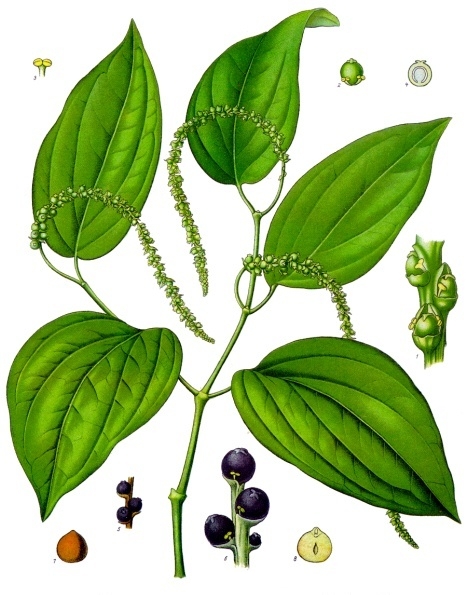
Black Pepper
Piper nigrum
The classic curcumin pairing. Piperine, the alkaloid in black pepper, is the best-known natural add-on for curcumin; the rationale is that it slows how fast the gut and liver clear curcumin from the body. The often-quoted 2000% jump traces to one small 1998 trial and has never been reproduced at that size. Later human studies that compared delivery methods head-to-head found piperine's effect on curcumin blood levels much smaller — in some cases absent — with other formulations doing better.

Elecampane
Inula helenium
A large flowering plant whose root is rich in inulin and aromatic sesquiterpene lactones such as alantolactone. It has been used since antiquity — in Greek, Roman, and Ayurvedic medicine — as a cough remedy and expectorant. Laboratory studies show its compounds reduce inflammation in human respiratory cells, but elecampane has never been tested on its own in a clinical trial for chronic respiratory conditions, and it is not an approved herbal medicine in Europe.

Burdock Root
Arctium lappa
A traditional blood purifier used in Western herbalism, TCM, and Ayurveda. The root is rich in inulin, a prebiotic fiber, and also contains arctiin, a lignan. Two small human trials of whole burdock root — one using a tea, one a root powder — found reductions in inflammatory and oxidative markers including CRP and IL-6. Anti-tumor effects of burdock lignans have been seen in cell and animal studies; human cancer research has not progressed past early safety trials.

Ginger Root
Zingiber officinale
A cornerstone of Ayurvedic Agni (digestive fire) restoration. Ginger is a widely studied botanical, with over 100 identified compounds, including the gingerols and shogaols linked to its traditional digestive and anti-nausea uses.

Turmeric
Curcuma longa
Curcumin, the main active compound in turmeric, is one of the most-studied plant anti-inflammatories: PubMed indexes more than 500 randomized human trials, over 100 of them measuring inflammatory markers such as CRP and IL-6. The results are mixed, and the overall certainty of that evidence is rated low. Curcumin also doesn't work the way NSAIDs do. Instead of blocking the COX enzymes directly, it appears to damp the NF-kB signaling that switches COX-2 and other inflammatory genes on. In knee osteoarthritis, where the head-to-head data is strongest, short trials of concentrated turmeric extracts reported pain relief comparable to ibuprofen and fewer stomach complaints, though overall side-effect rates were similar, the trials were of moderate quality, and not all have been positive. It is not a proven substitute for any prescribed medication. Two things worth knowing: those results come from standardized extracts at supplement doses, not turmeric used as a cooking spice (curcumin on its own is poorly absorbed), and turmeric supplements have been linked in rare cases to serious liver injury. Check with your clinician before starting one.

Cordyceps
Cordyceps militaris
A parasitic fungus long used in Tibetan and Chinese medicine. Human studies are small and mixed: some show better endurance or time to exhaustion, but most show no change in VO2 max, and many tested Cordyceps blended with other herbs rather than on its own. Claims that it raises testosterone come only from animal and cell studies — no human trial has shown this.

Rhodiola Rosea
Rhodiola rosea
A cold-climate adaptogen studied in several small, short human trials for mental fatigue and stress-related tiredness; results are mixed and the trials are methodologically limited, and evidence that it affects cortisol is thin and inconsistent.

Mucuna Pruriens
Mucuna pruriens
A tropical legume containing high concentrations of L-DOPA, the direct precursor to dopamine. Small, preliminary human studies in men with stress-related infertility found that Mucuna pruriens supplementation was linked to lower cortisol and improved testosterone and sperm parameters, though it has not been studied specifically in combat veterans.

Ashwagandha
Withania somnifera
One of the most researched adaptogens in Ayurvedic medicine, with dozens of human trials. A 2012 randomized, placebo-controlled trial found ashwagandha reduced serum cortisol by 27.9%, versus 7.9% with placebo, over 60 days (p=0.0006). May help support the body's response to everyday stress.

Osha Root
Ligusticum porteri
A high-elevation herb of the Rocky Mountains and northern Mexico, used for generations by Native American and Hispanic healers for colds, coughs, sore throat, and altitude sickness. Laboratory studies have found anti-inflammatory and antioxidant activity in the root, but osha has never been tested in a human clinical trial, and no study has tested it as a bronchodilator or against any virus. It is also slow-growing and considered at-risk in the wild, and it closely resembles poison hemlock — so sourcing matters.

Tongkat Ali
Eurycoma longifolia
Tongkat ali (Eurycoma longifolia) is a Southeast Asian root traditionally used to support male vitality and libido. Small human trials suggest it can modestly raise testosterone, most reliably in men who start out with low levels — but the evidence base is thin (a handful of small studies, mostly using one commercial extract), results across trials are mixed, and a couple of trials found no benefit over placebo at all.

Mullein
Verbascum thapsus
A tall biennial herb used for centuries to soothe coughs, sore throat, and chest congestion. Lab and animal studies show anti-inflammatory activity from compounds such as verbascoside, and its mucilage is believed to coat and calm irritated throat tissue. European regulators list mullein flower as a traditional-use herbal medicine — a category based on long-standing use rather than proven clinical benefit — and no published human trial has shown that it relieves cough or congestion.
Citrus Pectin
Pectinum citri
A soluble fiber from citrus peel. A specially processed "modified" form (MCP) increased urinary excretion of heavy metals in a few small, uncontrolled pilot studies, every one of them involving the company that sells the tested product. That preliminary finding has been challenged in the peer-reviewed literature, has never been confirmed in a randomized controlled trial, and has not been shown for ordinary, unmodified citrus pectin — which is fermented by gut bacteria rather than absorbed into the bloodstream.

NAC (N-Acetyl Cysteine)
N-acetylcysteine
A precursor to glutathione — often called the body's master antioxidant — NAC supplies the cysteine the body uses to build it. Its best-established uses are respiratory, helping thin mucus and support normal airway clearance; in prescription form it is also the hospital antidote for acetaminophen poisoning. For heavy metals the evidence is much thinner — essentially one open-label randomized trial in 171 lead-exposed workers, where 12 weeks of NAC lowered blood lead and markers of oxidative stress. That makes it a possible adjunct for lead specifically: not an established detox therapy, not endorsed in any clinical guideline, and no substitute for medical evaluation or chelation.

Passionflower
Passiflora incarnata
A climbing vine traditionally used as a calming herb and sleep aid. Its strongest support is short-term: in placebo-controlled trials, passionflower extract modestly eased nervousness before surgery or dental work without causing sedation or slowing reaction time, and it may slightly increase total sleep time. The claim that it works as well as a prescription anti-anxiety drug traces to a single 36-person pilot trial against oxazepam — too small to establish that two treatments are equivalent — and a Cochrane review found too few trials to draw any conclusion. Every trial to date has run four weeks or less, and dependence has never been tested. European regulators list it as a traditional-use remedy, not a clinically proven one.

Zeolite
Clinoptilolite
A natural volcanic mineral (clinoptilolite) whose cage-like crystalline structure binds positively charged metal ions by ion exchange. In one placebo-controlled trial, a purified form reduced absorption of lead swallowed alongside it. It has not been shown to remove metals already stored in the body.

L-Theanine
L-γ-glutamylethylamide
A non-protein amino acid found almost exclusively in the leaves of the tea plant, Camellia sinensis — the source of green, black, white, and oolong tea alike. In randomized trials in healthy adults, a single 200 mg dose taken 30–60 minutes beforehand modestly improved choice reaction time on attention tasks, without sedation; results on other cognitive measures, including simple reaction time, are mixed. Effects on stress and anxiety are smaller and less consistent, and one trial using a simulated active-shooter drill found no change in stress markers. Some EEG studies report changes in alpha brain-wave activity, but the direction is mixed and those changes have not been shown to track any calming effect. No serious adverse events have been reported in trials. Not a treatment for any condition.

Chlorella
Chlorella vulgaris
A single-celled green algae with exceptional heavy metal binding capacity. Chlorella Growth Factor (CGF) supports cellular repair while the cell wall chelates lead, mercury, and cadmium.

Lion's Mane
Hericium erinaceus
A medicinal mushroom with powerful neuroprotective properties. Clinical trials show significant NGF (Nerve Growth Factor) induction supporting nerve regeneration and cognitive function.

Bacopa Monnieri
Bacopa monnieri
An Ayurvedic herb used for centuries to enhance memory, reduce anxiety, and support cognitive function. Modern research confirms its role in synaptic repair and BDNF upregulation.
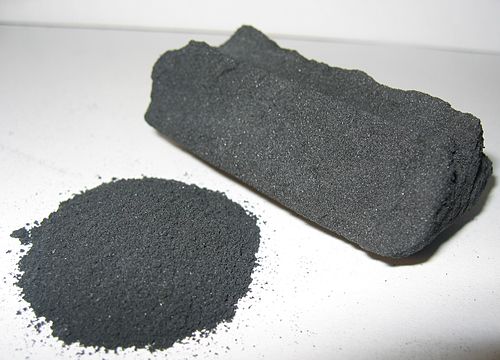
Activated Charcoal
Carbo activatus
Processed carbon with an enormous surface area (1g = 3,000 m²) that adsorbs toxins, heavy metals, and chemicals in the GI tract before systemic absorption.
Nettle Root
Urtica dioica (root)
The root extract (distinct from the leaf) acts on SHBG to free bound testosterone, making more bioavailable free testosterone available to tissues.

DIM (Diindolylmethane)
3,3'-Diindolylmethane
A phytonutrient formed during digestion of cruciferous vegetables. Critical for estrogen metabolism and maintaining healthy testosterone-to-estrogen ratios in men.

Lemon Balm
Melissa officinalis
A mint family herb with documented anxiolytic, antiviral, and sleep-promoting properties. Particularly effective for stress-related digestive upset.

Valerian Root
Valeriana officinalis
A widely studied European herb with strong clinical evidence for improving sleep quality, sleep latency, and anxiety reduction through multiple GABA-A receptor pathways.

Shilajit
Asphaltum punjabianum
A mineral-rich resin from Himalayan rock formations containing 85+ minerals and fulvic acid. A double-blind RCT confirmed testosterone restoration and mitochondrial energy enhancement at 90 days.
Botanical and structural images via Wikimedia Commons under their original licenses — open any ingredient to see the photographer and license for its image.